← Centre for Sustainable AgricultureGrameen Enterprises Accelerator
Centre for Sustainable AgricultureGrameen AcademyGrameen Enterprises
Accelerator
Green Rural Enterprises · 2026–2029

Agricultural transition needs an enterprise ecosystem.

Training alone cannot change how India farms. The Grameen Enterprises Accelerator builds locally owned Green Rural Enterprises that give farmers seed, bioinputs, soil amendments, services and markets close at hand — and keep that value in the village.

Partner as a Regional Hub Become an entrepreneur
An initiative of CSA, in partnership with Rainmatter Foundation
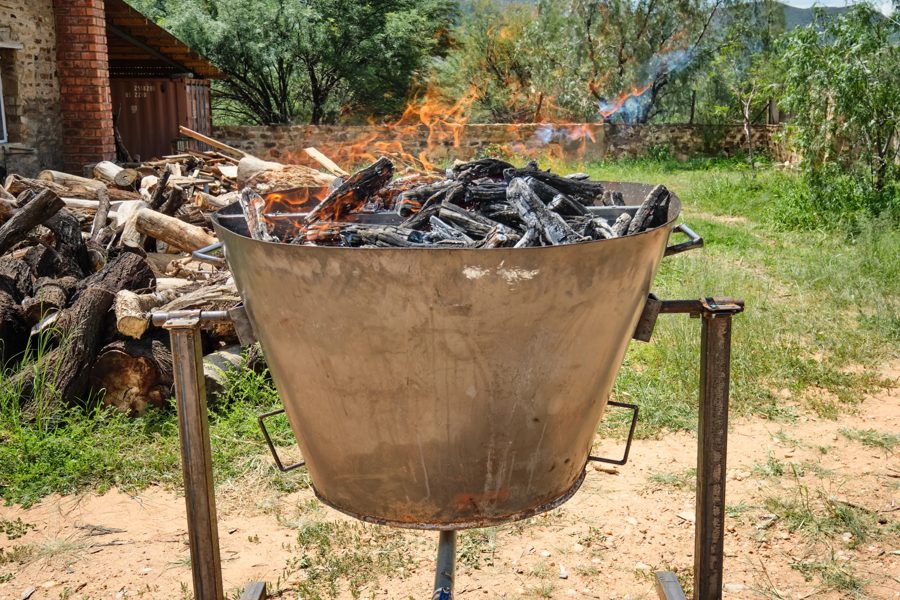
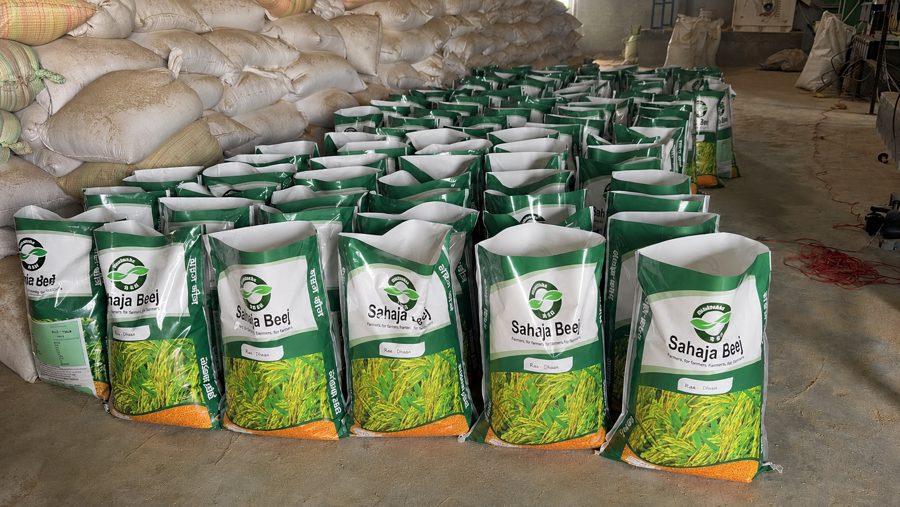
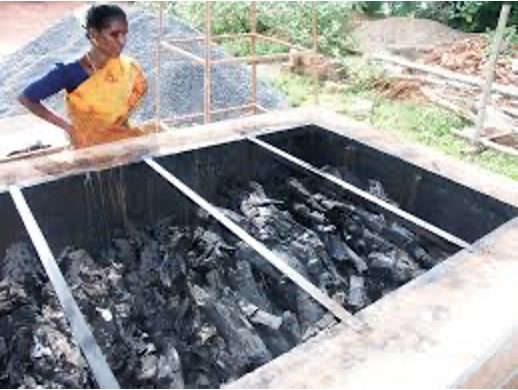
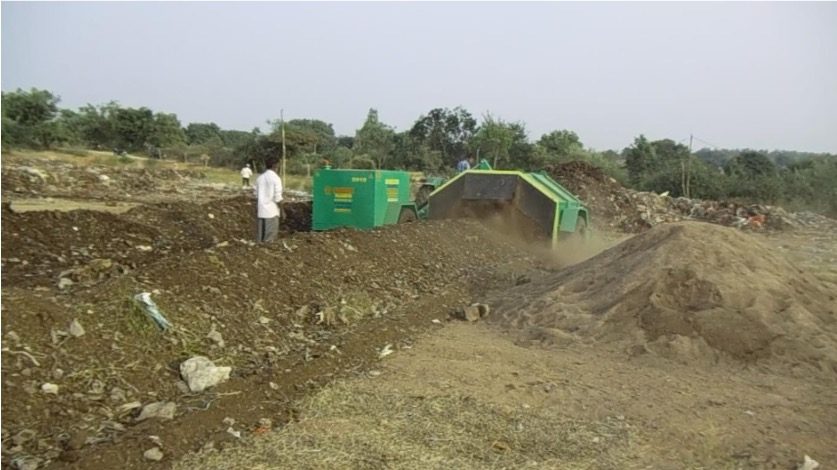
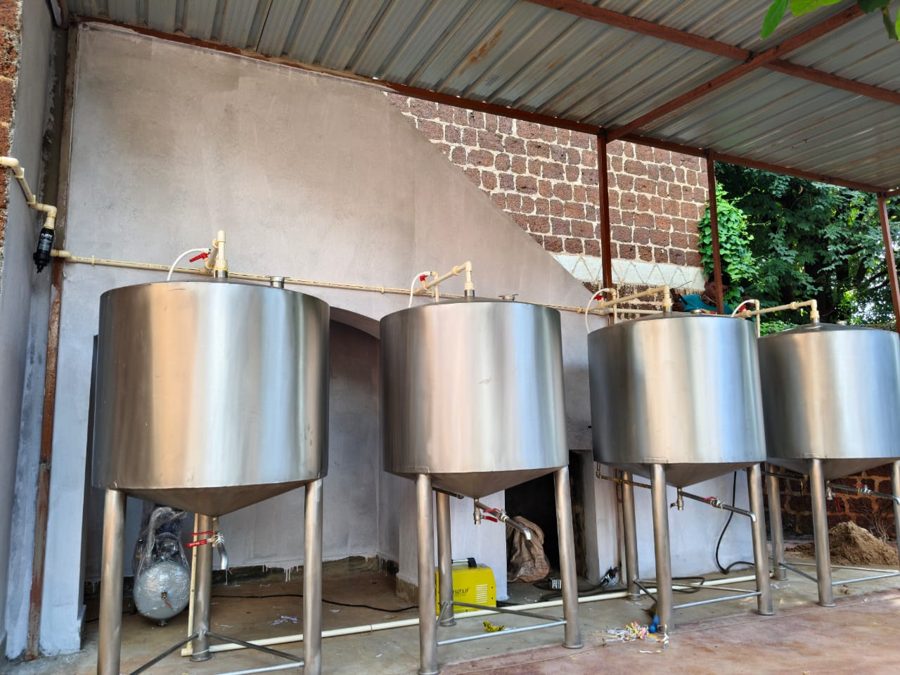
Windrow composting with a mechanical turner Biofermenters for bioinput production Kon-Tiki biochar kiln Sahaja Beej seed bags
10
Regional Hubs across India’s agroecological landscapes
150
entrepreneurs incubated per hub, every year
50%
women, with a strong focus on rural youth
60–80
viable enterprises per hub within three years
THE CHALLENGE

Value leaves the village. Dependence comes in.

FLOWS OUT

Raw produce, biomass and labour

FLOWS IN

Seed, fertilisers, pesticides and other inputs

LIES UNUSED

Crop residues, animal wastes, local knowledge and talent

A rural entrepreneur who wants to fill these gaps meets every barrier at once — the right opportunity and technology, a sound product, licences, a business plan, working capital, quality control, branding, supply chains, scale and steady demand. Few can overcome them alone.

OUR ANSWER

An ecosystem of Green Rural Enterprises

CSA is not backing a collection of unrelated businesses. Each Green Rural Enterprise fills a specific gap a farmer meets on the way to agroecology. Together they form the local system that makes the transition viable.

01

Inputs & Services

Seed, compost, biochar, bioinputs, farmer service centres

02

Knowledge & Advisory

Extension, diagnostics, field schools, digital advisory

03

Aggregation

Collection, grading, storage, producer services

04

Processing & Value

Millets, oilseeds, spices, local food processing

05

Markets & Distribution

Local retail, institutions, direct and online sales

From what farmers need to change practice, to what they need to sell what they grow.

What makes it a Green Rural Enterprise

Serves the transition

Meets a real need of farmers moving to agroecology

Runs on local resources

Biomass, residues, knowledge and skills from the landscape

Locally owned

Led by women, youth, farmers and their FPOs

Quality you can trust

Tested, compliant and backed by ongoing mentoring

THE FIRST WAVE

Inputs, services and advice in the village

Windrow composting

Compost & soil organic matter

Aerobic, enriched and vermicompost, crop-residue composting, custom blends and decentralised biomass collection.

Less waste, richer soils, rural jobs.

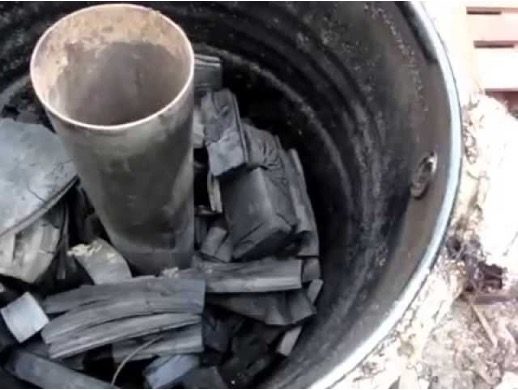
Drum retort biochar unitBiochar pit kilnKon-Tiki biochar kiln

Biochar

Three unit models — drum retort, pit kiln and Kon-Tiki — plus enriched biochar and blends with compost and bioinputs.

Soil first; carbon income only where it is sound.

Biofermenters

Bioinputs

Biofertilisers, permitted biostimulants, biocontrol agents, botanical extracts and traditional preparations.

Field-tested local knowledge; validated, registered products.

Sahaja Beej seed bags

Seed

Production and multiplication of local and traditional varieties, grading, storage, packaging and seed banks.

Resilience, diversity and farmer choice.

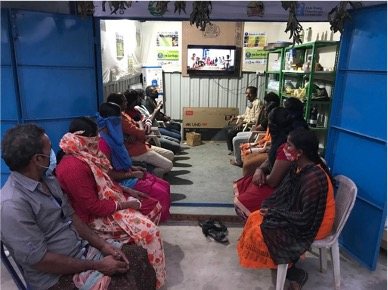
Farmers at a Farmer Service Centre

Farmer Service Centres

One-stop village centres that bring quality inputs, tools, machinery hire and services for agroecological transition to farmers’ doorsteps.

Everything a transitioning farmer needs, in one place.

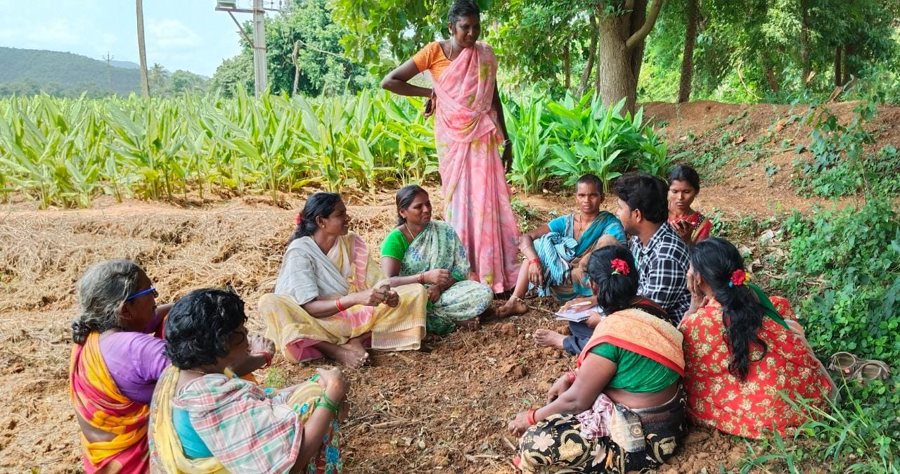
Women farmers in a field extension meeting

Extension & advisory services

Extension for organic and natural farming, soil and pest diagnostics, and timely crop advisories delivered by trained local resource persons.

Timely field advice that farmers trust.

FPOs as enterprise platforms

One FPO can host several Green Rural Enterprises — backward services to its members (seed, inputs, machinery) and forward linkages for their produce (aggregation, processing, markets).

HOW IT WORKS

Handholding across the whole lifecycle

  1. 1 · Identify local need
  2. 2 · Identify entrepreneur
  3. 3 · Technology & skills
  4. 4 · Prototype
  5. 5 · Business model
  6. 6 · Finance
  7. 7 · Quality assurance
  8. 8 · Market linkages
  9. 9 · Mentoring
  10. 10 · Scale

70–20–10 learning: entrepreneurs learn mostly by running a real enterprise, with peers and mentors, backed by structured technical inputs. Successful entrepreneurs become Master Trainers for the next cohort.

What the Accelerator provides

Technology

Resource and market assessment, technology choice, technical partners and demonstrations

Entrepreneurship

Selection, technical and business training, business plans and continuous mentoring

Finance

Banks, CSR, impact investors and schemes such as NMNF, NRLM, PMFME and RKVY-RAFTAAR

Quality & Regulation

Protocols, testing, traceability, licences and compliance

Markets

Demand creation, farmer demonstrations, FPO networks, branding and buyers

Scale

Shared infrastructure, SOPs and unit economics that replicate across clusters

A national hub-and-spoke network

NATIONAL HUB · CSA

Validates enterprise models, SOPs and unit economics; trains and certifies Master Trainers; builds national market and scheme linkages; runs monitoring and the knowledge compendium.

REGIONAL HUBS · PARTNER CSOs

Mobilise communities and select entrepreneurs; run Bioresource Centres, collection centres and shared equipment; mentor cohorts; partner with FPOs, SHGs and KVKs.

VILLAGE ENTERPRISES

Green Rural Enterprises serving farmers, rooted in FPOs and local markets — with graduates mentoring the next cohort.

WHO CAN JOIN

From beneficiaries to entrepreneurs

Rural youth and women first — and farmers, SHG and FPO members, local technicians, existing micro-enterprises, returning migrants, agricultural graduates and rural professionals.

Interested? Reach out to the Regional Hub in your area, or write to CSA and we will connect you.

THE LARGER IMPACT

Measured beyond enterprises created

  • Farmers — reliable, affordable, locally relevant inputs and services
  • Entrepreneurs — sustainable rural livelihoods and employment
  • Local economy — more farm spending and value retained in villages
  • Natural resources — biomass recycled, soils restored, less waste
  • Agricultural transition — the supply and service base agroecology needs to scale
PARTNER WITH US

Become a Regional Agroecology & Enterprise Incubation Hub

We are inviting CSOs, NGOs and FPOs with deep community roots and a long-term commitment to agroecology. Hubs receive technical resources, Master Trainer certification, Bioresource Centre infrastructure support, operational co-financing and links to national and state schemes.

Send an expression of interest

  1. 1Share an expression of interest
    Your organisation, geography, programmes and interest in GEA
  2. 2Initial dialogue
    Landscape fit, mutual alignment and areas of collaboration
  3. 3CSO Partner Appraisal
    A structured self-assessment for mutual due diligence
  4. 4Work plan and MoU
    The basis for formalising the hub partnership