
Rethinking Agriculture Extension: An AESA Discussion Paper
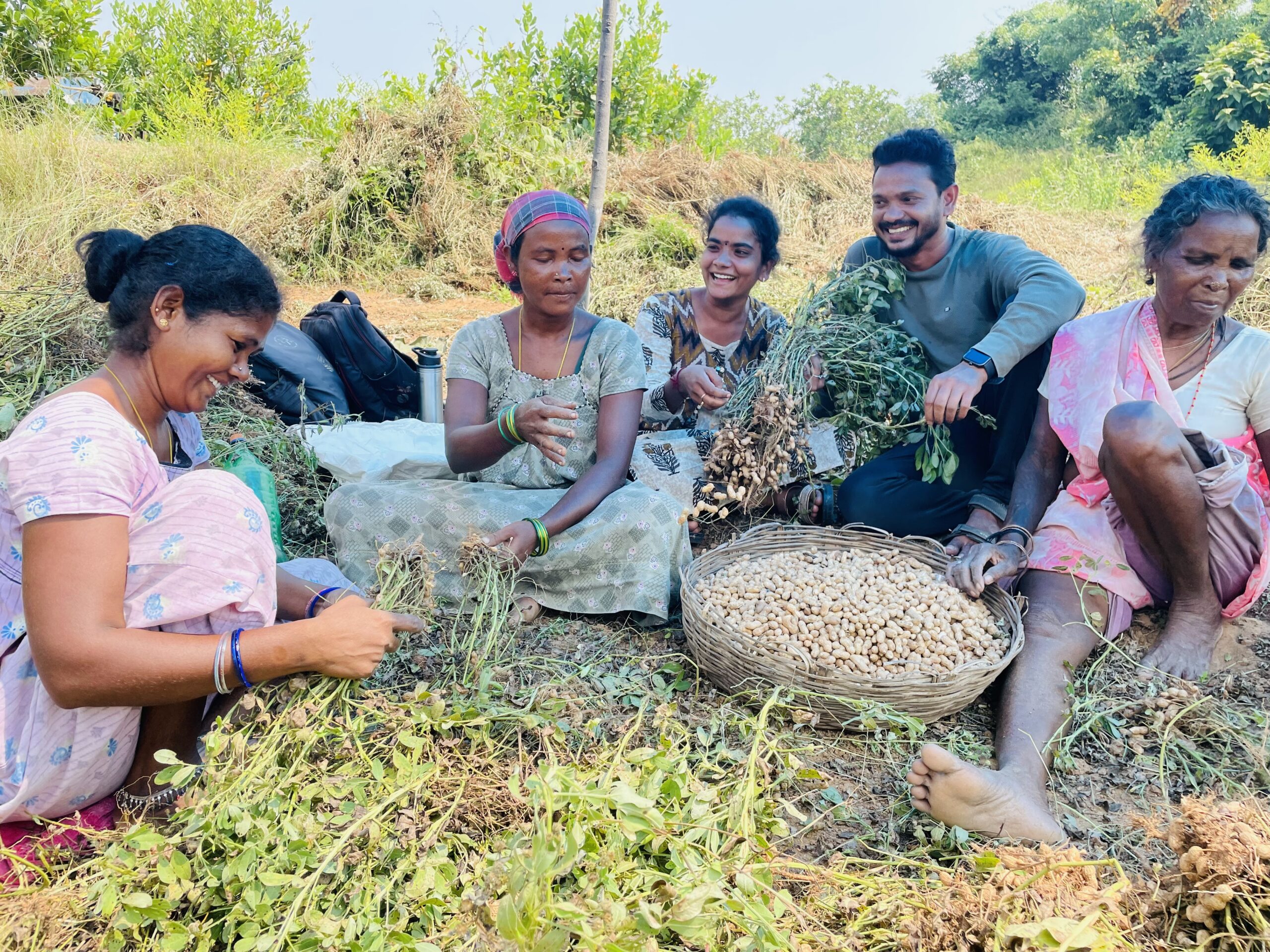
What Alternative Models from India Teach Us about Participation, Inclusion, and Sustainability
In this discussion paper, G V Ramanjaneyulu explores why India’s public agricultural extension system continues to rely on the widely criticised “top-down technology transfer model” and how this persistence comes at a cost to farmers. He argues that India’s public extension system continues to measure its success by the number of training sessions conducted and demonstrations organised, rather than by income stability, soil health, or inclusion. Drawing on ten alternative extension approaches, the paper highlights a shared principle: farmers should be recognised as co-creators of knowledge rather than passive recipients. These models also embed inclusion into their design, ensuring that women, tenant farmers, and socially marginalised groups are actively involved rather than treated as an afterthought.